
Geogrid Roll Size: Plan Orientation, Overlaps and Handling Before Ordering
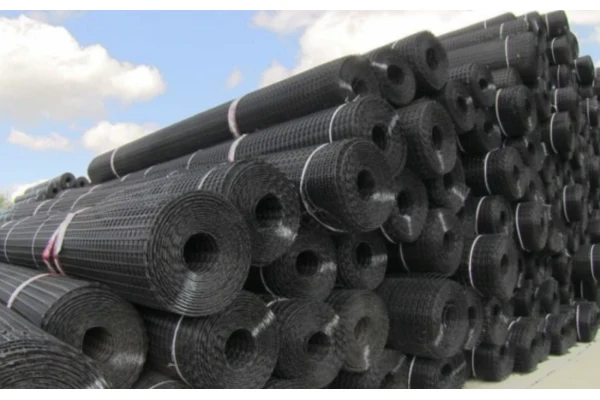
Plan geogrid roll size around direction, joins, coverage and handling. Confirm actual supply dimensions and traceable part-roll quantities.
Geogrid Testing: What Tensile, Junction and Project Tests Actually Tell You
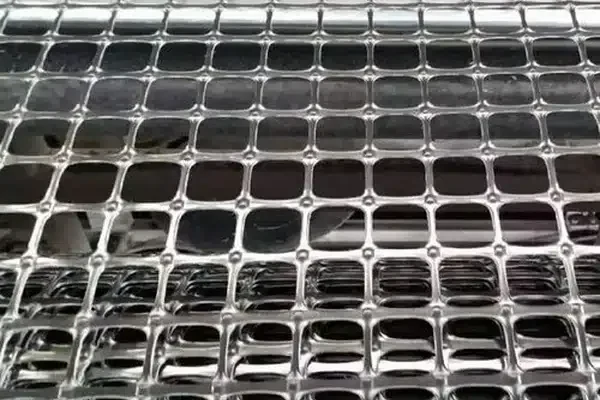
Match geogrid testing to tensile, junction, interface and long-term requirements. Link laboratory reports to product and delivery records.
Geogrid Tensile Strength: Separate Nominal Values from Long-Term Design Requirements
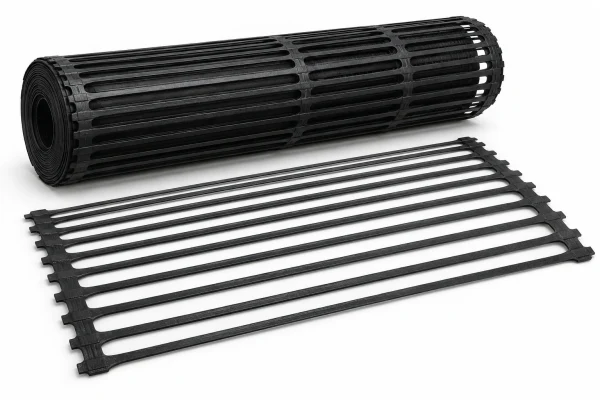
Separate geogrid tensile strength, low-strain response and long-term design resistance. Request product-specific evidence before substitution.
Geogrid Aperture Size: Compare the Grid with the Proposed Aggregate
Review geogrid aperture size with aggregate grading, particle shape and product evidence. Check geometry and installation before approval.
Geocell vs Geogrid: Which System Matches the Aggregate-Layer Problem?
Compare geocell vs geogrid by confinement, reinforcement, ground conditions, infill and installed cost. Make design assumptions visible.
Biaxial vs Uniaxial Geogrid: Compare Load Direction and the Required Function
Compare biaxial vs uniaxial geogrid by load direction, application, test evidence and installation layout before requesting a product proposal.
Geotextile Separation Layer: Checks Before Aggregate Placement on Weak Subgrade

Check a geotextile separation layer before aggregate placement. Review survivability, joins, soil conditions, drainage and conformity records.
Geotextile Protection Layer Under a Geomembrane: What the Submittal Must Show
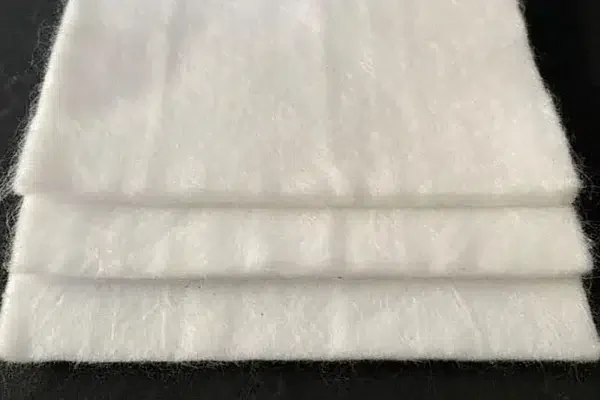
Review a geotextile protection layer against the liner, aggregate, loads and installation method. Separate index tests from system evidence.
Geotextile Thickness: Compare Test Pressure and Function Before Choosing a Grade

Compare geotextile thickness with its test conditions, mass and required function. Review protection, filtration and acceptance evidence.
Geotextile Roll Size: Calculate Usable Coverage Before Ordering
Plan geotextile roll size around overlaps, cuts, usable coverage and handling. Build a traceable quantity schedule before ordering.